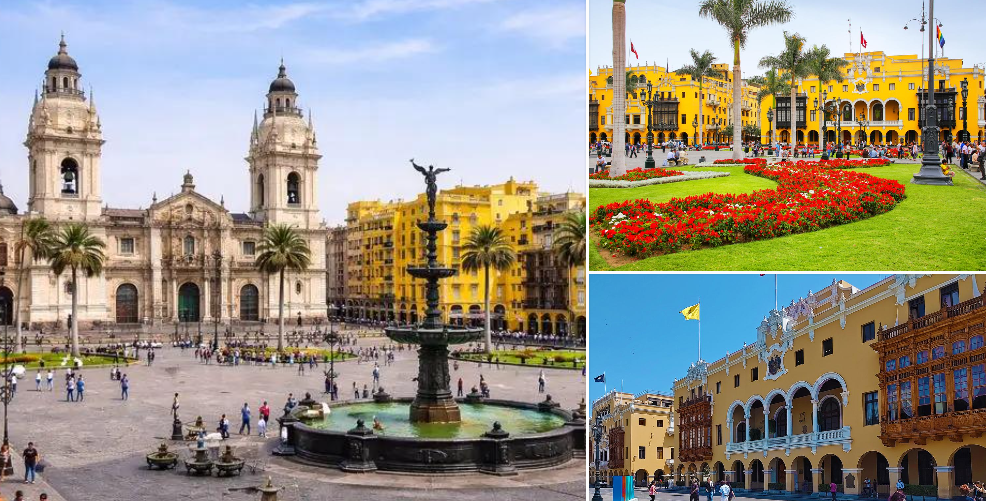
One day in Lima works best when the route is built around two or three districts instead of the whole sprawling city: the Historic Centre in the morning, the Larco Museum and Barranco in the afternoon, and dinner plus a Pisco Sour in Miraflores at night.
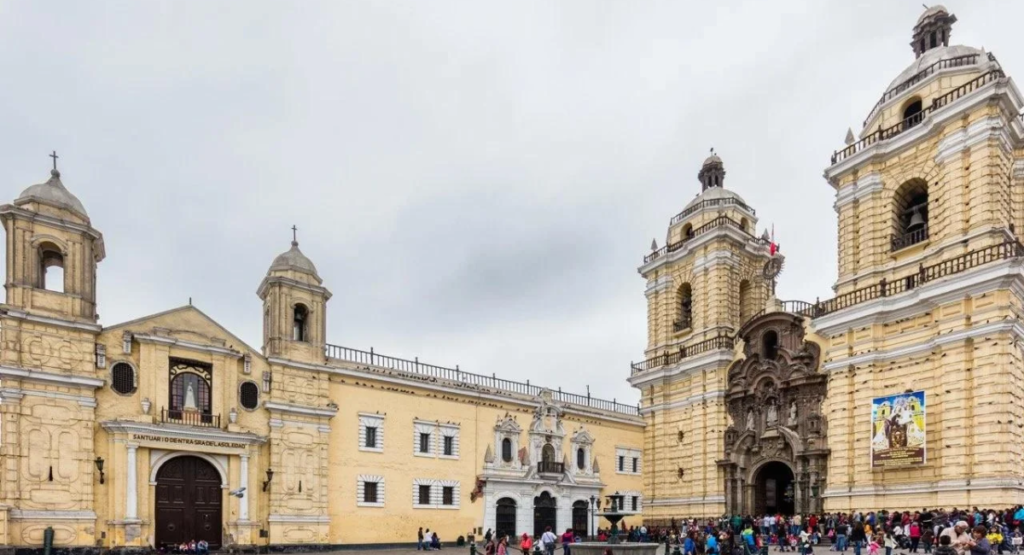
The morning belongs to downtown, and it pays to begin with specialty coffee before the tour starts. The route finishes at the Monastery of San Francisco, where baroque architecture sits above the eerie catacombs, which is fascinating but not ideal for anyone who is claustrophobic.
The Larco Museum anchors the afternoon. Its collection runs from Moche ceramics to Inca gold and silver, so even a short visit shows how much Peru’s ancient cultures produced.
The sequence that keeps the 24 hours simple looks like this:
- Head downtown early and start with coffee.
- Join a guided tour of the Historic Centre.
- Eat lunch at Gran Bitute.
- Take an Uber to the Larco Museum.
- Continue to Barranco for coffee at Ancestral and the Bridge of Sighs.
- Return to Miraflores for dinner at El Parrillón de Pablo Profumo.
- Finish with rooftop Pisco Sours at SaHa.
One Day in Lima: Exploring the Historic Centre in One Morning
Lima’s Historic Centre is one of the best places to explore during one day in Lima, especially if you want to experience the city’s history without spending the entire day sightseeing. Plaza Mayor, the cathedral and the main pedestrian streets are all within walking distance. The historic centre has been a UNESCO World Heritage Site since 1991, and construction of the Cathedral Basilica of Lima began in 1535.
A three-and-a-half-hour guided walking tour is an easy way to explore the area at a relaxed pace. The route is mostly flat, although the sun can get quite warm, so carrying bottled or filtered water is a good idea. Getting here from Miraflores takes just under an hour by taxi in morning traffic, making an early start worthwhile.
During one visit, a lively gathering with music was taking place in front of the gates of Plaza Mayor. The nearby open squares are also a fun stop for families, with plenty of space for children to watch or chase pigeons. For a sweet break, Pastelería San Martín is a charming, old-fashioned café known for its cakes. Nearby, a local lunch spot serves hearty menestrón soup with a generous portion of beef.
If you have a little extra time, head back to Miraflores for a change of architectural style. The Iglesia Virgen Milagrosa is a Peruvian Neocolonial church completed in 1939, and its beautiful stained-glass windows are worth stepping inside to see.
Where to Eat Lunch in Lima
Lunch in Lima works best at Gran Bitute when the morning ends in the Historic Centre, or at Punto Azul when it ends in Miraflores. Lima’s reputation for food holds up beyond the tourist areas, and Gran Bitute proves the point: it is a classic criollo restaurant, known for generous portions and traditional cooking, and it feels like a local favourite rather than a visitor spot.
Punto Azul opens at 11AM, takes no reservations and had a line out the door by 12:30PM, so arriving around 11:30AM means a seat straight away. Ceviche is the order there.
Groups with different tastes can use Mercado 28, a food hall where stalls sell anticuchos, lomo saltado, pizza and poke, while Surquillo Market suits anyone who wants a more local experience. Families will find lunch easy, because high chairs and changing tables were simple to find, and one worker at a restaurant door grinned at two babies and motioned to their dimples.
How to Walk Through Miraflores in a Day
Miraflores is easiest to walk as one loop from lunch to the coast and back to dinner, because its highlights sit close together and a loop avoids backtracking. The full route takes about 6 to 8 hours.
The district perches on cliffs above the Pacific Ocean, and El Malecón de Miraflores follows that edge as a scenic clifftop park. Larcomar, an open-air mall built into the cliffside, is entered by descending into it, and the backdrop of the water is the main attraction.
Coffee fits between the meals. A medium-roast, single origin cup at Puku Puku, a Peruvian coffee chain with a few Miraflores locations, makes a natural midpoint. Dinner and dessert close the loop: La Picaronería serves picarones, a traditional dessert that originated in Lima in the 1500s, made as squash and sweet potato doughnuts drenched in chancaca, a sweetener from unrefined sugarcane.
The order that keeps the loop tight is:
- Eat ceviche at Punto Azul in late morning.
- Stop for coffee at Puku Puku.
- Browse Mercado Indio.
- Follow Avenida Arequipa to El Malecón de Miraflores.
- Visit Larcomar before dinner.
- Finish with dinner and dessert.

Where to Stop for Coffee in Lima
Lima Coffee, reached on foot from Plaza San Martín, is the natural first coffee stop for a downtown start, and Ancestral Café in Barranco takes over in the afternoon. Timing matters as much as the cup.
Leaving Miraflores at 7.30am instead of 8.30 a.m. avoided the morning traffic that the people at reception had warned about, and the trip downtown took less than 30 minutes. That early arrival left time to peek inside the Gran Hotel Bolívar, taste Lima Coffee’s brews and sample treats at the ChocoMuseo, where everything from 100% chocolate to nibs and tea is on offer. Mornings are also cooler and less crowded. When breakfast is included at the hotel, eating there first keeps the coffee stop light.
The afternoon coffee has a different mood. Ancestral Café is one of many good coffee spots in Barranco, and the Larco Museum’s café sits in a flower-filled courtyard for anyone who would rather stay put.

How to Get Around Lima Without Losing Hours to Traffic
Getting around Lima is easiest with Uber or Cabify for the long hops between districts and on foot inside Miraflores, Barranco and the Historic Centre. The city is vast, so expect several taxi rides, and leave before rush hour: staff at the Radisson Red warned that a later start would hit heavy traffic, and the early departure worked.
The main options compare like this:
| Option | Best for | What to know |
| Uber | Long hops between districts | Used for most journeys; cheap fares and friendly drivers, though a few cars were beaten up |
| Cabify | The same long hops | Considered safe, reliable and widely used |
| Walking | Miraflores, Barranco and the Historic Centre | Felt safe during the day, with a heavy police presence |
| Airport pickup | Arrival after a flight | Book ahead or ask the hotel to arrange one |
Arrival is the hardest leg. At the airport around 11pm, several gates and separate lanes stopped ride-hailing drivers from reaching one family, and they left in a car around midnight. The Farona Grand Hotel still checked them in quickly and greeted them at the door.
Miraflores sits a long drive from the airport, so a hotel near the airport suits an early flight or a layover, and cash for fares should come from an ATM chosen carefully, since some charge high fees. On foot, the Historic Centre works even with a stroller, despite the cobblestone around Plaza de Armas, the other name for Plaza Mayor.

Where to Stay for One Day in Lima
Miraflores is the simplest area to sleep for a single day in Lima, with Barranco and the Centro Histórico as the other two serious options. Miraflores is clean, walkable and safe, and it packs cafés, parks and sea views into a compact area.
Barranco suits an artistic evening, since the district later became a haven for artists, writers and musicians. The Centro Histórico is the pick for anyone who loves architecture and wants the sights at the doorstep.
Practical details can tip the choice. A doorman or other hotel staff can call a taxi, and most hotels can arrange airport transfers, which helps after a late arrival. Someone working as a digital nomad will find excellent Wifi at the Puku Puku café on Av. La Paz, so Miraflores works for a laptop day too. A family that landed late and left early for Cusco with a baby and toddler had just one full day in Lima, which shows how little slack a one-day stay leaves.
Where to Have Dinner in Lima
For dinner in Lima, El Parrillón de Pablo Profumo suits steak lovers, La Mar Cevichería suits seafood lovers, and Mercado 28 suits a group whose members want different dishes. El Parrillón sits a short walk from a Miraflores hotel, serves BBQ chicken with a fresh salad alongside its steaks, and pairs excellent service with an atmosphere that stays lively without getting loud.
Seafood dinners reward careful ordering. At Punto Azul, a classic ceviche arrives with leche de tigre, another version comes in a rocoto pepper sauce, and the causa de pulpa de cangrejo layers potato puree around crab and mayo. La Mar Cevichería serves top-notch ceviche and needs booking well ahead, and Social Bar & Restaurant turned one party away for lack of a table.
A Pisco Sour belongs beside any of these plates. Peru’s national cocktail combines pisco, a local grape brandy, with lime juice, syrup and egg white, shaken to a froth and finished with a dash of bitters. Isolina Taberna Peruana and Fiesta Restaurant round out the shortlist, one for rustic comfort dishes and the other for superb seafood.
Is the Larco Museum Worth Your Day in Lima?
The Larco Museum is worth an afternoon, because it is small enough to finish in one visit yet holds over 45,000 artefacts spanning 5000 years of Peru’s ancient cultures. It occupies an 18th-century vice-royal mansion, and the beautifully curated layout makes every exhibit feel considered. You can join a guided tour or simply wander.
Reading the displays is easy because every exhibit includes clear information in English. The collection ties together thousands of years of history, and the ride there passes Huaca Pucllana, a pre-Inca pyramid in the middle of Lima that makes a good swap on another day. If the stalls at Mercado Indio feel repetitive because many sell identical products, the museum offers a calmer alternative.
Buying museum tickets on the museum’s website gives a slightly cheaper rate and quicker entry, and debit cards are among the cards widely accepted around the city.

What to Do in Barranco and at the Bridge of Sighs
Barranco rewards an afternoon of wandering past colourful murals and galleries to the Bridge of Sighs, with a coffee stop at Ancestral Café on the way. The district dates its charm to the 19th century and is known today for its laid-back, creative feel.
Calling an Uber from downtown with the location pin set on the café gets you to Ancestral directly, where a still-warm pistachio tart and a coffee were both excellent. Dessert lovers elsewhere in the city can try the lucuma flavour at Blu Gelato Barrio, a local fruit that tastes a bit like caramel and mango combined.
At the bridge, an outdoor artisan market is full of textiles and crafts; anyone wanting alpaca goods will find them in the larger market in Miraflores. Both the upper and lower paths beyond the bridge lead to more small cafés and coastal views, so more time repays itself here. Barranco is also one of the two popular places to watch the sunset, the other being El Malecón, and the streets felt comfortable to explore in the daytime.
Is Mercado Indio Worth the Detour?
Mercado Indio is worth about an hour only for travellers who enjoy browsing crafts; skipping it and heading straight to El Malecón saves 20 to 30 minutes. The artisan market sits in the north of Miraflores, where several similar markets cluster, and every stall that was asked accepted cards, so cash is not essential.
Visiting in the early afternoon meant few people, which left room in the aisles but also drew more calls from stall holders. A pourover coffee beforehand turns the visit into a slow wander, and keeping valuables out of sight is sensible in any busy market.
The market belongs to a low-friction walking route of about 5 miles / 8 km that takes 6 to 8 hours. From Mercado Indio it takes roughly 30 minutes on foot to reach the entrance of El Malecón. The walkway there leads to El Faro de la Marina, an active lighthouse constructed in 1900 elsewhere and reassembled in Lima in 1973.
Where to Drink a Pisco Sour with a View
SaHa, a stylish rooftop bar in Miraflores, is the place to drink a Pisco Sour with a view of the district’s lights. It sits just a few minutes from the dinner spots nearby, so after a Uruguayan ribeye with Malbec the nightcap is a short stroll away.
The view takes in twinkling lights and a sea breeze. The Pisco Sour is Peru’s national cocktail, and legend says an American bartender named Victor Morris created it in Lima in the early 1900s. Elsewhere in the city, Hotel Maury is one of the most historic bars and is said to be the drink’s birthplace, so it earns a stop for old-world charm. Yucca crisps with local dips, a lunch favourite, would also suit a bar table.
Anyone with an extra evening can swap the nightcap for the Circuito Mágico del Agua, said to be Lima’s spectacular evening light and fountain show.
Easy Swaps for Your Lima Day
Lima offers several easy swaps for a tight day: a clifftop stroll along El Malecon de Miraflores, a visit to the Larcom shopping center, or a guided tour built around food. El Malecon is a popular walk, especially at dusk, with ocean views, landscaped parks and paragliders overhead, since the coast is a popular place for paragliding. Larcom, a clifftop shopping center, has great reviews for a break between stops.
Food-focused swaps suit travelers curious about local flavor’s. Dishes such as vegan ceviche, risotto made with squid ink and ceviche with fresh octopus show how far Lima’s menus stretch. For anyone eating gluten-free, going with a knowledgeable guide on a night-time food tour is a safe way to explore the city’s cuisine while the rest of the group tastes everything.
Is One Day in Lima Realistic With Young Children?
One day in Lima is realistic with a baby and an older child, because the city has plenty of parks and a friendly attitude toward families. Larcomar’s top level has a playground, and its children’s restrooms use child-size stalls, toilets and sinks so kids can manage on their own.
Timing helps more than gear. Arriving at a popular restaurant before the lunch rush avoids the queue, and the Jirón de la Unión, a pedestrian-only commercial street, gives a calm stretch for people-watching. On Plaza Mayor, a gathering in front of the gates of the Government Palace kept the babies entertained for a while.
Overnight, the hotel supplied a crib. After one full day in Lima, the family continued to the Sacred Valley and Machu Picchu.
Is Lima Safe for Visitors?
Lima is generally comfortable for visitors in Miraflores, Barranca and the Historic Centre when normal care is taken. Miraflores is one of the city’s safest neighborhoods, though belongings deserve attention around Parque Kennedy, a busy park known for its large colony of cats, and inside the narrow hallways of markets. Barranca, once a seaside resort for Lima’s aristocracy, feels similarly easy on foot. A local guide adds confidence on evening outings, and Uber handles longer distances.
What Currency Do You Use in Lima?
Lima uses the Peruvian sol (PEN), and credit cards are accepted at most places. Even so, cash in small denominations covers the little purchases, such as the merchants selling handmade jewellery at artisan stalls and the Donofrio ice-cream vendors in yellow carts along El Malecón. Bottled water, which is widely available and inexpensive, is another easy cash purchase.
Can You Really See Lima in a Day?
No single day covers all of Lima, but one day delivers a real taste of its highlights. The city is vast, and the trip between just two districts took 45 minutes, so choosing two or three areas beats chasing everything. The colonial core that earned Lima the name City of Kings includes the Archbishop’s Palace, built in the 1920s, while Barranco adds a legend: cross its bridge without breathing and a wish comes true.
What Language Is Spoken in Lima?
Spanish is the main language in Lima, although staff at hotels and restaurants in visitor districts often speak some English. In a metropolis of over 10 million people, a few friendly words in Spanish still go a long way, even with limited time to practice. The name of the restaurant Gran Bitute comes from Limeño slang for a hearty meal, and a booth on El Malecón labelled conversaciones gratis simply offers two chairs for free conversation. Browsing for souvenirs gives another reason to try them.
Do I Need to Book Tours in Advance?
Popular experiences such as walking tours and food tours are worth booking a day or two ahead, particularly when time is short. A little planning also helps with attractions: an online ticket for the Larco Museum costs slightly less and speeds entry, and an audio guide can be rented on site. A guided tour of Barranca covers the Puente de los Suspiros, which dates back to 1876, and a cooking class with a market visit is another option.
Can You Drink the Tap Water in Lima?
Tap water in Lima is best avoided, so stick to bottled or filtered water instead. A bottle matters most on long walking days, because the route through the Historic Centre can get warm, which makes a hat and sunscreen worth packing alongside it. Small notes make buying water, tips and taxi fares easier, and sensible precautions with food and drink keep the day on track.
Are Taxis Safe in Lima?
Taxis in Lima are safe enough when you use Uber, Cabify or hotel-arranged cars, and flagging random cabs on the street is best avoided. At the airport, drivers in formal clothes wearing a badge and repeating taxi oficial approached one family, which is why booking airport pickup before leaving home makes sense after a long flight. Hotels may offer both kinds of cab, and one family chose the cheaper unofficial option without trouble, but registered taxis remain the safer default. Knowing the Spanish phrases for those two options helps when the hotel asks which one you want.